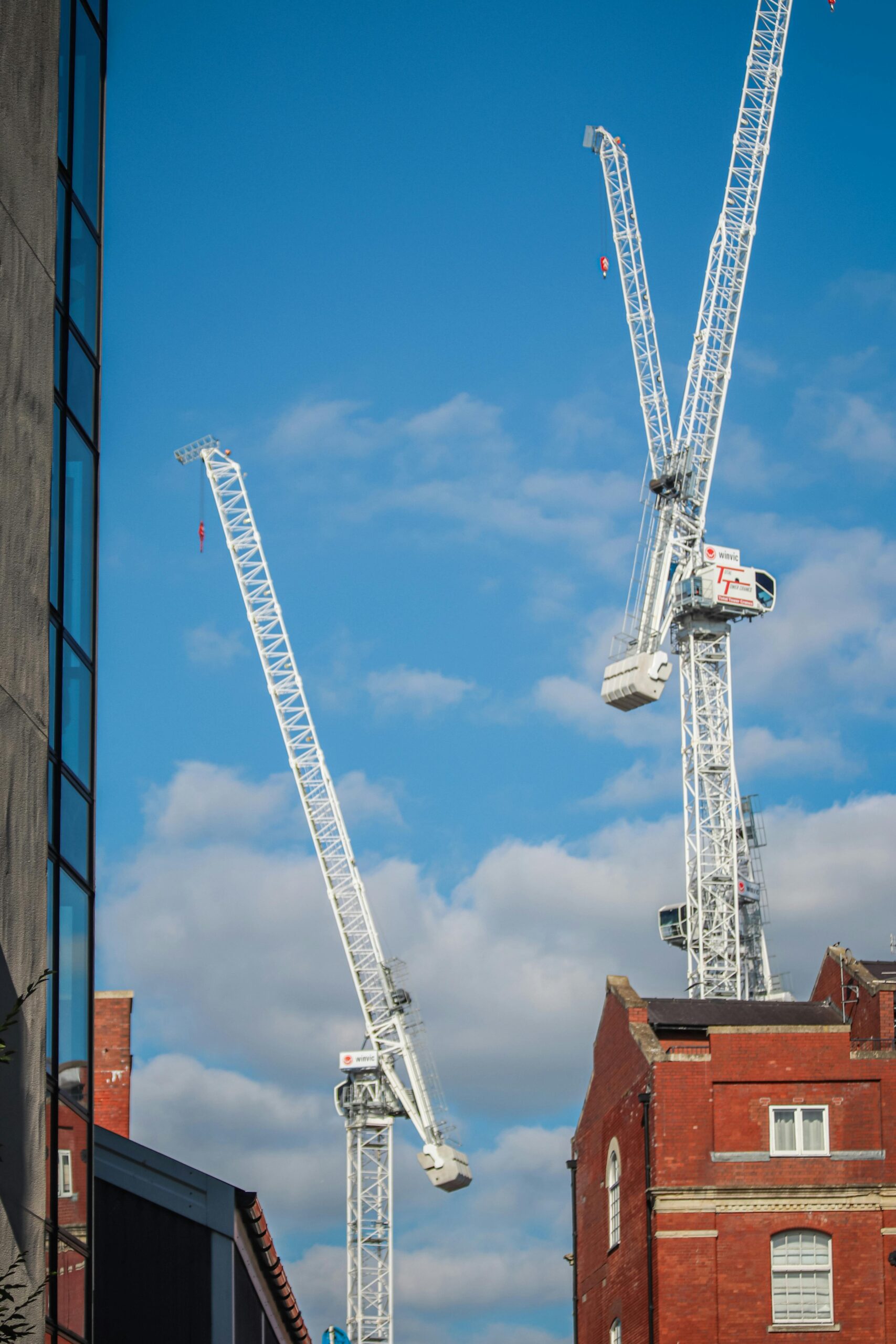

The construction industry is continuously evolving, with new trends and technologies shaping the way buildings and infrastructure are developed. From the adoption of sustainable practices to the integration of digital technologies, construction is becoming more efficient, innovative, and adaptable. In this article, we will explore some of the most prominent trends in the construction sector today and how they are reshaping the industry.
Sustainable and Green Construction Practices
As environmental concerns continue to rise, sustainability has become a major focus in the construction industry. The drive for more eco-friendly and energy-efficient buildings is evident in various sectors, from residential housing to commercial developments. Green building practices, such as using renewable energy sources, energy-efficient designs, and eco-friendly materials, are now widely adopted.
One of the key aspects of sustainable construction is the use of sustainable materials. For example, there has been a rise in the use of recycled materials such as reclaimed wood, recycled concrete, and even plastic waste in construction projects. These materials reduce the environmental impact of construction and contribute to the growing movement toward circular economies. The implementation of energy-efficient technologies, such as solar panels and geothermal heating systems, is also gaining popularity in new construction projects.
In addition, many construction projects are now aiming for green building certifications, such as BREEAM (Building Research Establishment Environmental Assessment Method) or LEED (Leadership in Energy and Environmental Design). These certifications help ensure that buildings meet high environmental standards and are designed to minimize their carbon footprint over the course of their lifecycle.
Modular and Prefabricated Construction
Modular and prefabricated construction is another growing trend that is changing the way buildings are constructed. This method involves manufacturing building components off-site in controlled environments before transporting them to the construction site for assembly. The result is faster construction times, reduced costs, and fewer disruptions to the local environment.
This approach is particularly useful for projects that require mass production, such as affordable housing, schools, and healthcare facilities. Modular construction also allows for greater flexibility, as individual modules can be easily expanded or modified as needed.
By reducing the time spent on-site, modular and prefabricated construction also helps to reduce the impact of unpredictable weather conditions and supply chain delays. Additionally, quality control is enhanced, as components are manufactured in a controlled factory setting, ensuring that each element meets the required specifications.
Construction Technology and Automation
Technology is playing a significant role in modern construction, with digital tools and automation helping to streamline processes and improve efficiency. Building Information Modeling (BIM) is one of the most important technologies in construction, allowing designers, engineers, and contractors to collaborate in a virtual environment. BIM enables the creation of 3D models of buildings, which can be used to plan, design, and simulate the construction process before breaking ground.
Drones and 3D printing are also transforming construction practices. Drones are increasingly used to survey land, monitor construction sites, and inspect hard-to-reach areas. This technology helps increase efficiency and safety, as it allows for real-time data collection and reduces the need for manual inspections. 3D printing, on the other hand, is being used to create building components and even entire structures. This method not only reduces waste but also allows for highly customized designs that would be difficult or expensive to achieve using traditional construction methods.
Automation is also making its way into construction sites, with robots and machines being used to perform tasks such as bricklaying, painting, and even welding. These automated processes help to reduce the time and labor costs associated with construction while improving safety by minimizing the need for workers to perform dangerous tasks.
Smart Buildings and the Internet of Things (IoT)
The concept of smart buildings is becoming increasingly popular in the construction industry. Smart buildings use technology to optimize energy use, improve security, and enhance the comfort of occupants. For instance, advanced sensors can monitor the temperature, humidity, and air quality of a building, adjusting systems such as heating, ventilation, and air conditioning (HVAC) to maintain optimal conditions.
The Internet of Things (IoT) plays a significant role in the development of smart buildings. IoT-enabled devices, such as smart thermostats, lighting systems, and security cameras, are integrated into buildings to create a more efficient and responsive environment. IoT technology allows for remote monitoring and control, enabling building managers and tenants to track energy consumption, security status, and other important data in real-time.
As the demand for energy-efficient and user-friendly buildings grows, the integration of smart technology will continue to shape the future of the construction industry. Buildings will not only be more energy-efficient but also better equipped to meet the needs and expectations of modern occupants.
The Rise of Urbanization and Vertical Construction
With the global population continuing to grow, urbanization is on the rise, especially in cities where space is limited. As a result, there is a growing trend toward vertical construction – building upward instead of outward. High-rise buildings, such as skyscrapers and apartment towers, are becoming increasingly common in urban areas, where land is scarce and expensive.
Vertical construction allows for more efficient land use and helps address the issue of overcrowding in cities. These buildings are designed to provide more living and working space while minimizing the environmental footprint. Advances in construction technology, such as high-strength materials and robotic construction, are making it possible to build taller and more complex structures safely and efficiently.
In addition to residential and commercial buildings, vertical construction is also being applied to infrastructure projects, such as transportation hubs, parking garages, and utilities. As cities become more densely populated, vertical construction will continue to play a vital role in creating sustainable and efficient urban environments.